Featured story
The Last Playboy
Porfirio Rubirosa: the diplomat and international playboy.
Read the storyARIZONA SOCIETY
PHILANTHROPY
LIFESTYLE

ESTABLISHED
1982
The signature series
Behind the names, the fortunes and the grand houses. Explore Bill Dougherty’s signature series and selected stories from the Trends archive.
Explore the collection
Featured story
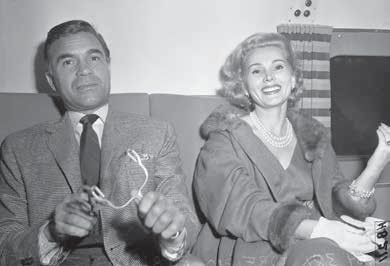
Porfirio Rubirosa: the diplomat and international playboy.
Read the story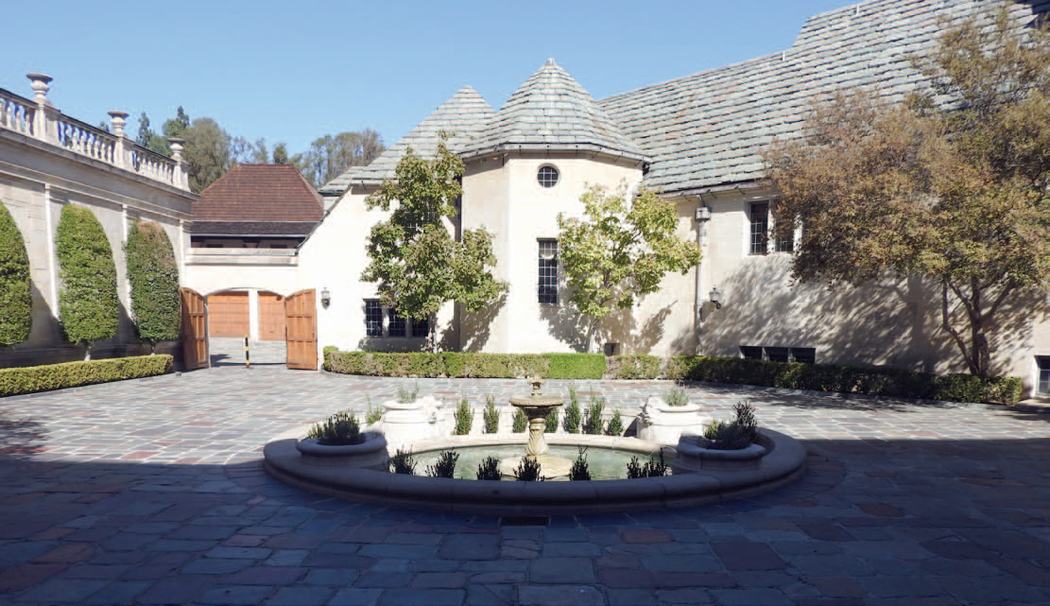
Crimes Against High Society®
A grand estate. An unsettling history.
Read the story
Crimes Against High Society®
From the pages of the Trends society archive.
Read the story
Crimes Against High Society®
A portrait from Bill Dougherty’s signature series.
Read the story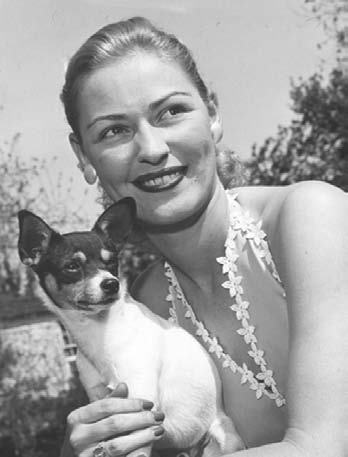
Crimes Against High Society®
The Plastic Surgeon and the Dead Texas Socialite.
Read the story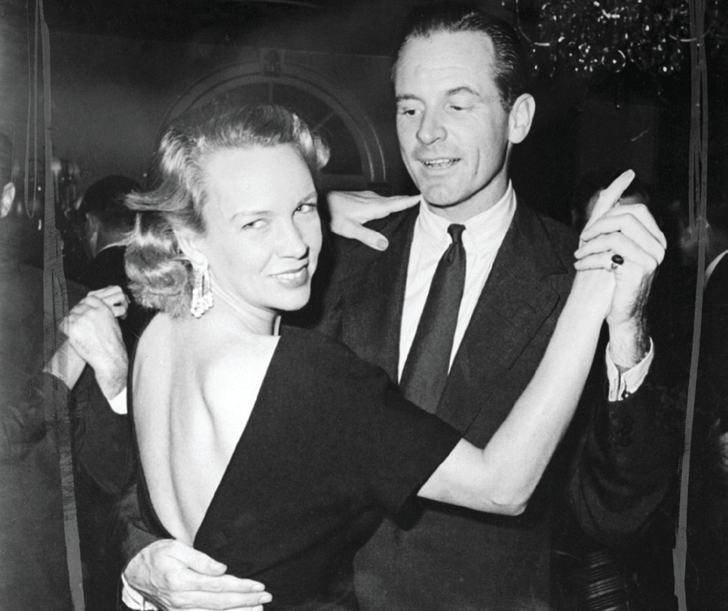
Crimes Against High Society®
Bill Dougherty revisits the Woodward story.
Read the story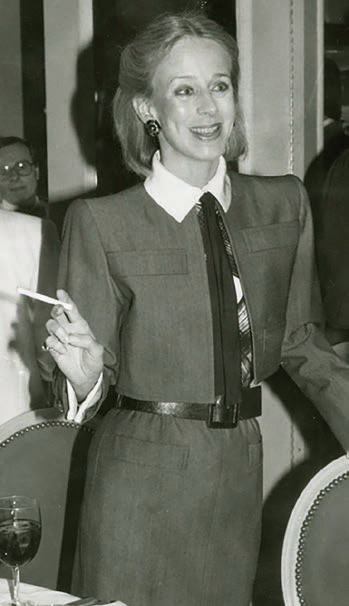
Social Crimes
The Roaring 80’s Divorce of the Century.
Read the story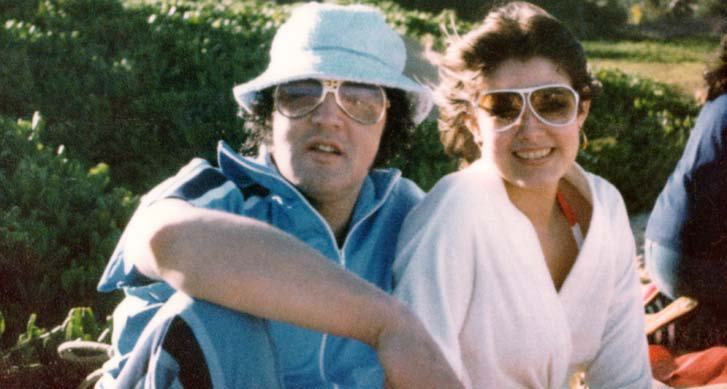
Trendy Reading
Ginger Alden’s memoir, reviewed by Bill Dougherty.
Read the storyThese are archival articles and reviews. Their reporting, opinions and time references reflect their original publication, not an updated account.
Crimes Against High Society®
Porfirio Rubirosa
Though he stood at only 5’10” inches, Porfirio Rubirosa was destined to be the last playboy. Born into a wealthy Dominican Republic family in 1909, he quickly caught the eye of the island’s notorious dictator, Rafael Trujillo, at a country club dance one evening. The next day, the dictator gave him the title of lieutenant of the presidential guard. This would cultivate into a lifelong relationship between the two men. While their relationship could often be rocky, Rubi’s charm and grace always won the dictator over. With his eye on the prize, Rubirosa quickly proposed to Trujillo’s daughter Flor in 1932. After this, the two would canvas the globe.
By this time, Rubirosa was now a diplomat in the Dominican Republic’s upper echelon and held prominent positions throughout the world. They included Paris, Buenos Aires, Havana, Rome, Berlin, and Brussels. The socialite/playboy could not remain faithful to his beautiful wife, though they would continue to see one another well after their divorce in 1938.
From this point, Rubi wasted no time and went on to marry French actress Danielle Darrieux in 1942. Despite his breakup with Rafael Trujillo’s daughter, the two men remained close. Trujillo referred to him as one of his country’s greatest assets and an excellent diplomat “because women like him and he is a wonderful liar.”
Actress and 1950s pinup model Jeanne Carmen once said of Frank Sinatra, “Frank had great equipment, he just didn’t know how to use it.” This was not the case with Porfirio Rubirosa. Although small in stature, he was said to be enormously well-endowed, leaving a bevy of Hollywood A-list actresses begging for his return. He spoke seven languages and could charm a cobra out of its basket.
Porfirio Rubirosa was a rare breed. He was an accomplished polo player, race car driver, rumored assassin, jewel thief and undercover agent all wrapped up in a huge package. He knew that even though he had a healthy secret salary from General Trujillo, the French actress he had married could not keep him in the style to which he had become accustomed. In 1947, he married tobacco heiress Doris Duke. During their brief but happy nuptials, he was showered with airplanes, polo ponies, sports cars, maids, and personal staff in homes around the world. All gifted to him by Duke. Yet, with all these trappings, the playboy and international man of mystery could not stay faithful to one of the wealthiest women in the world.
They parted in 1951. Rubi retained all the lavish gifts bestowed on him, plus an annual alimony payment of $25,000 – around $280,000 in today’s world. Doris Duke often said he was the love of her life. The two remained more than friends for the rest of their lives.
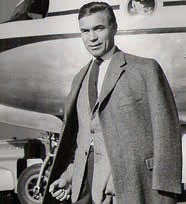
Between his relationships with Doris Duke and the much-troubled Woolworth heiress Barbara Hutton – collectively known as “The Gold Dust Twins” – Rubi started an affair with Hungarian media zealot Zsa Zsa Gabor. When the actress refused to leave her then-husband, George Sanders, Rubirosa became so outraged he gave her a black eye! Zsa Zsa had a field day and went to all media outlets to not only profess her love for the playboy, but also to condone his act. It left the world speechless. The two never married, despite their reckless and toxic relationship. During this time, Rubi received a phone call from his long-time friend, Cary Grant. Evidently, the actor had invited the Dominican playboy to London, where Grant was appearing in a theater production. Rubi responded that he could not make the trip to England because he was “between heiresses.”
Enter Barbara Hutton, the terminally chic and terminally ill heiress to the largest fortune in the world. Their relationship was doomed from the start. At the suggestion of her frenemy Doris Duke, she took the walk down the aisle with the suave playboy. Only Barbara wore black, clutched a cigarette, and sipped on a scotch and soda. The marriage lasted 53 days. However, during this time she lavished more than double what Doris Duke had given the diplomat. Rubi felt that her moods were too dark and her reclusive behavior off-putting. After all, he liked to have a good time. He left the marriage with more than $2.5 million. Barbara Hutton would later say on her deathbed that, of her seven marriages, all the men were fortune-seeking scoundrels except for Cary Grant, who departed with nothing.
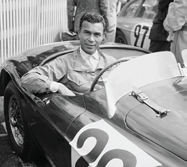
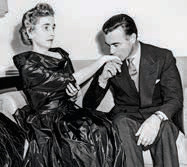
By 1956, Porfirio Rubirosa had settled down. While there was still the ever-present cloud of espionage and mystery surrounding him, he married another French actress, Odile Rodin. The couple settled outside of Paris. In 1961, Rafael Trujillo was overthrown and assassinated. Rubi was remarkably at the side of President Kennedy to help restore diplomatic integrity to the Dominican Republic. Despite his best efforts, the country never really recovered. Trujillo’s successor, his son Ramfis Trujillo, whose hedonistic life mirrored that of the playboy, was likewise overthrown. Rubirosa lost his title, diplomatic immunity, and his monthly salary. After losing his diplomatic immunity, he was interrogated by the U.S. District Attorney regarding the disappearance of several top Trujillo loyalists, but he was never charged.
Like his fourth wife Barbara Hutton, Rubi was quickly running out of money by the mid-1960s. He began selling off aircraft, real estate, priceless art, jewelry, and antiques. His excessive live, love, and play lifestyle was quickly coming to an abrupt end. And like Barbara Hutton, he had never been taught how to manage money. This was in sharp contrast to his third wife Doris Duke, who held a degree in finance. She had tripled her family fortune before her death.
In 1965, Rubirosa entered an international polo match and won the Coupe de France tournament, taking along with it a large sum of money and a sterling silver trophy. After a long night of celebrating at the famed Jimmy’s nightclub just outside of Paris, things took a tragic turn. Early the next morning, he crashed his cherished Ferrari 250 GT into a tree and died in an ambulance on the way to the hospital. The last playboy was dead.
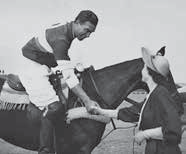
Many say that Ian Fleming based his James Bond character on Porfirio Rubirosa. Evidently, the writer had been introduced to the Dominican playboy at a cocktail party in Jamaica in the early 1950s. Others in the James Bond camp claim rubbish. We do know that Rubirosa was a central character in the 1963 Terence Rattigan film The V.I.P.s. The film coined the term “very important people.” The character of Marc Champselle, played brilliantly by Louis Jourdan, was the spitting image of Porfirio Rubirosa. Elizabeth Taylor and Richard Burton headlined the film and were good friends of Rubirosa. Both agreed that the performance of Jourdan as the playboy was spot-on. The playboy was also a frequent guest at Maxim’s. In the 1950s, the famed French eatery began to refer to their large wooden pepper mills simply as “Rubirosas”.
You get the picture…
Crimes Against High Society®
Beverly Hills
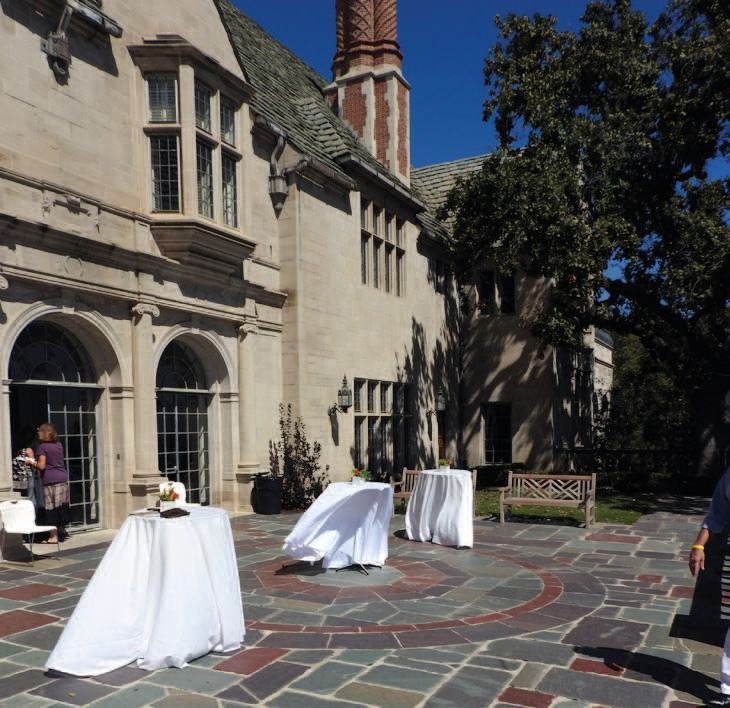
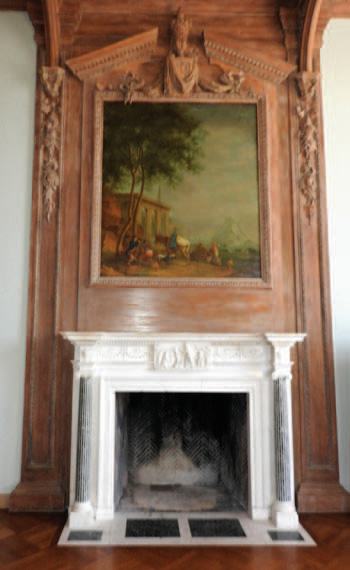
In 1927 Los Angeles oil tycoon Edward Doheny and his second wife Carrie Estelle dedicated an enormous parcel of land in Beverly Hills to the couple’s only surviving heir, Edward “Ned” Doheny and his wife Lucy. The Greystone Mansion, as it would be called due to its heavy and gothic use of grey slate, would almost immediately bring new meaning to the words “haunted mansion.” Shrouded in controversy from its inception; critics felt $3,166,780, a cost of roughly two hundred million in 2017, to build the home could be far better spent by the family on their countless philanthropic endeavors. However; since the Doheny family had given the city and state an unsurmountable amount of halls, parks and civic centers, they let the critics continue to babble – completing the mansion and its sprawling grounds in 1928.
Following the move to Greystone in 1928, the dreams of the Doheny’s and their 5 children were cut short; but only temporarily. Ned was killed by his secretary Hugh Plunket in a downstairs guest room. The police were not summoned to the home for several hours. The murder weapon had been cleaned and the bodies moved, yet authorities quickly closed the murder/suicide case. The press and countless historians were not as willing to do so. Many claimed Mr. Plunkett did not suffer from the nervous disorder the entire staff of the mansion all seemed to offer in rehearsed unison. Others said that Mr. Plunkett and Ned Doheny were in fact lovers and that Lucy Doheny had pulled the trigger on them. Both men were buried just feet from each other in Forest Lawn Cemetery, leaving Ned Doheny out of the family plot at another resting place. Lucy Doheny quickly married financier Leigh Battson. Much to the surprise of her high society friends; the new Mrs. Battson continued to live, entertain lavishly and often remodel the stately home until 1954. The next year the Battsons sold the majority of the property, excluding the mansion, to Paul Trousdale. Today the opulent Trousdale Estates surround the home, which was purchased by the city of Beverly Hills and turned into a park and venue in 1971.
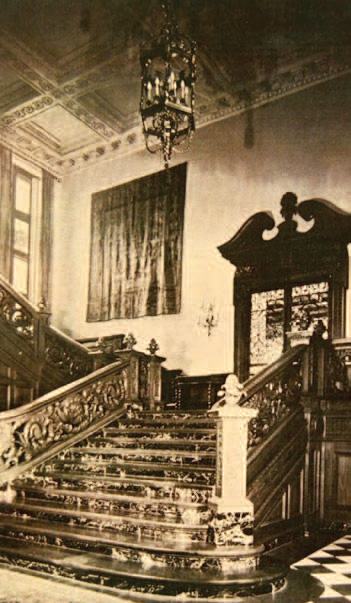
But things don’t stop there. Since the untimely death of Ned Doheny and his secretary in 1929, several other and often unexplained deaths have taken place there. A maid’s child plunged to its death while playing on the grand staircase in the 1930s and one of two married servants died while quarreling on a kitchen staircase. The police were never contacted. In 1990 a Los Angeles gun deal gone wrong, deposited the victim and his BMW in the mansion’s driveway. Just a few years later a man committed suicide in the gardens of the home. The next year, two out-of-control trucks speeding down Loma Vista Drive on different days, left their victim’s at the front gates. To date the mansion has claimed more lives than any home in Beverly Hills.
It’s been said that at the end of her long life, Lucy Doheny Battson sat beautifully dressed in her exclusive Wilshire Boulevard penthouse in a wing back chair and clutching a rosary. She told her grandchildren and the help that she hoped to not be judged too harshly by God. She never elaborated on her statement to anyone.
Today the mansion is a venue for movie making, weddings, cocktail receptions, auto races and black tie affairs. Yet any visitor to the property seems to have a chill of apprehension upon their arrival ... Volunteers of Friends of Greystone, the mansions preservation society, also say they prefer to come and go from the home all at once rather than linger individually. You get this picture?

Crimes Against High Society®
Jeanne Tovrea
By 1961 Jeanne Gutner was down on her luck, a drifter with a young daughter in tow. After several unsuccessful marriages and a cancer scare, she was bound and determined to change her life. She moved to Phoenix from her native Arkansas, landed a nighttime gig as a cocktail waitress at the Safari Inn and studied real estate by day. By the time 1970 rolled around, she had met with success. She purchased a small home and a Cadillac to drive prospective clients around. In less than 10 years, she had become one of the most successful women in the then male-dominated world of residential real estate. In 1971, while socializing with friends at the Cattlemen’s Club, she met Ed Tovrea Sr. The two could not have been from more different worlds. Ed had grown up in the lap of luxury. His family was one of the predominate names in Arizona. They owned vast amounts of real estate, a castle, art, feed and grain lots and oil reserves. Jeanne on the other hand, came from nothing and had spent most of her adult life moving from state to state. Both had been previously married several times. But their instant attraction to one another gave way to immediate dating and by the end of 1971 they were openly discussing marriage.
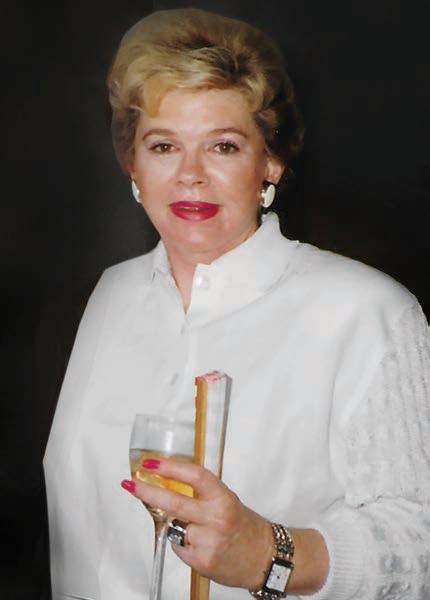
Jeanne and Ed Tovrea married in Hawaii in 1972. Their friends were over the moon at the couple’s nuptials. Many finally believed that each had found their soul mate, that was everyone but Ed’s three children from his first marriage. Cricket, Prissy and Happy (Edward Jr.) Tovrea, distrusted their stepmother from the moment they met her in 1971. This was something Jeanne didn’t take lightly. Afterall, she was a woman who had never had enemies. Her Southern charm and infectious personality had warmed the hearts of everyone she encountered, even her sharpest critics. But Ed’s children never warmed to her.
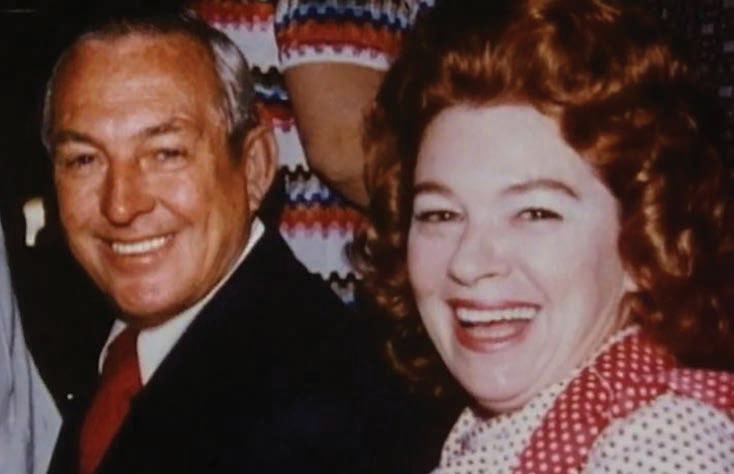
By the mid-1970s, the Tovreas were literally the toast of the town! They were a beautiful couple that had dozens of acquaintances, hosted the best parties and traveled the world with friends. Jeanne had become one of the most respected and adored hostesses in Phoenix. She lent her name to everything she could. Her days began at sunrise with cigarettes before coffee and a charity schedule that would take her late into the night. In 1979, she was profiled in Arizona Living Magazine (now defunct) as one the hardest working and charitable women in the Valley. She had finally come full circle!
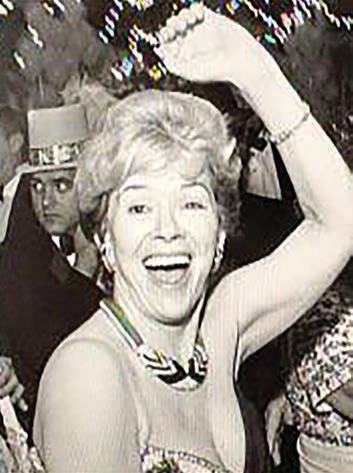
In late 1979, Ed Tovrea’s health began to decline. The World War II hero had battled heavy drinking for decades and smoked in excess of three packs of cigarettes a day. Soon Jeanne realized that the days of non-stop charity work and cocktail parties needed to come to an end. She resigned from everything with which she was affiliated to dedicate her time to a man who had given her so much. One socialite referred to this time in Jeanne’s life as “the disappearing act.” Jeanne Tovrea literally disappeared for more than three years. Ed Tovrea died in 1983 with Jeanne and his son Happy by his side.
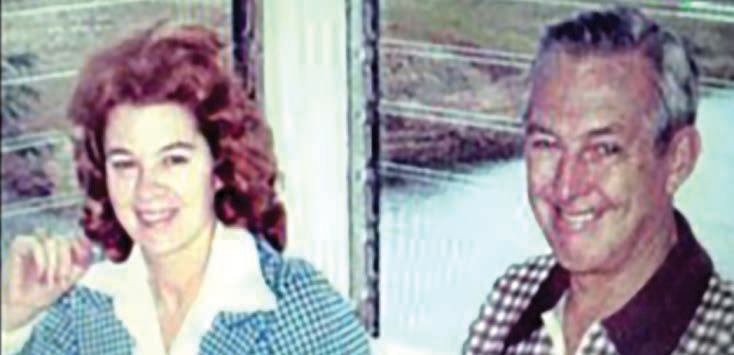
Following the death of Ed Tovrea, Jeanne told friends that she was so glad she had not let her real estate license expire; since she knew she would soon be returning to the working world. She told close friends that the last 13 years had been like living a fairy tale but now the ride was over, and it was time to move on. What happened next would become the biggest subject of gossip on the cocktail party and charity ball circuit ever! Prior to Ed’s death, he wrote two letters on yellow legal pads to his three children and to his wife. In the two letters he wrote to his children, he said that all had been given every opportunity afforded to them. He asked why none of them had gone to college, started families or held down long-term jobs. He closed by saying they were more interested in working on their tans then in the family business. He told them he loved them and wished them luck. He left each child $200,000 a piece. When Jeanne opened her yellow letter, she almost passed out! Ed Tovrea said at times he had been far too stingy with his wife; forcing her to clip coupons, shop on sale and drive used cars. He went on to say that he could never have wished for a better and more loving wife and that the care she had shown him in the twilight of his life was simply unbelievable! He bequeathed his entire estate of $7 million in cash plus vast real estate holdings in Arizona and New Mexico, oil reserves, fine art and an income-generating feed and grain lot to her. He concluded the letter by saying he adored Jeanne and hoped she would spend the money freely!
The trust Ed Tovrea set up for his wife allowed her to spend as much as she wanted in her lifetime, after that it would pass to his three children. It was an air-tight trust as the children would quickly learn and it possessed a “hammer-clause.” Should any of the three challenge the will, they would automatically be disinherited. Jeanne wasted no time spending freely. She purchased a Mercedes and a Jaguar that she planned to keep at her new prestigious Balboa Bay Club condo in Newport Beach. She took out a $2,700,000 life insurance for her daughter Deborah Luster and drove headfirst back into the charity world. By then she was seen feeding the homeless in innercity soup kitchens during the holidays, opening her lavish Lincoln Hills home to any charity that asked and once again working round the clock to make the community that had given her so much, a better place.
In early 1987, Jeanne started to receive telephone calls from a man who identified himself as Gordon Phillips. He said he was doing a story for Time-Life on Ed Tovrea and The Great Escape he had masterminded in a POW camp during World War II. Jeanne suggested that Ed’s first wife Priscilla might be a better source, since Jeanne was his third wife. Yet Mr. Phillips was relentless and called dozens of times. Reluctantly Jeanne and her daughter Deborah finally agreed to meet him in the lobby of the Balboa Bay Club in the spring of that same year. However, Gordon Phillips was not the least bit interested in talking about Ed Tovrea but rather asked personal questions of the two ladies. When Jeanne returned to Phoenix, she called Time-Life and found our Mr. Phillips did not exist. Though he continued to leave countless messages on her telephone tape recorder, Jeanne never saw him again. At this point she told friends she was very scared. She also said she believed he was following her through the streets of Phoenix.
By late 1987, Jeanne had put the whole Gordan Phillips matter behind her. She had a few nips and tucks blonded her trademark red mane. She had capped off the year by chairing the Barrow Ball, which was one of the most prestigious balls in town. She reconnected with a former Rodeo star from her past. Then she began dividing her time between Phoenix and Las Vegas where her new beau was living. By early 1988, she planned a lavish party at her home with the possibility of announcing her engagement.
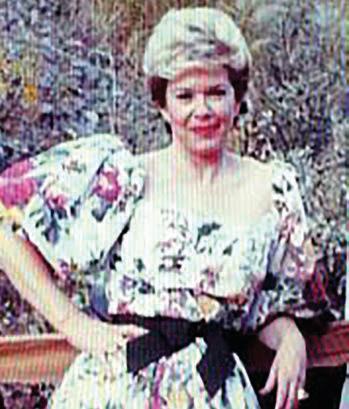
On the night of April 1, 1988, Phoenix police responded to the burglar alarm at the home of Jeanne Tovrea at 12:47 am. Along with a very prominent socialite and friend who happened to be her next-door neighbor, the body of Jeanne Tovrea aged 58 was identified. She had been shot in her sleep at point blank range fives times. Her murder exploded on television and in print. Everyone in the social world had a theory, yet none proved conclusive. More than a thousand mourners attended her funeral service. The case went dead.
It was not until 1992 while watching an episode of Dominick Dunn’s show Power, Privilege and Justice, that a man claiming to be the ex-brother-in-law of James Harrod, a two-bit conman, recognized his voice. Gordon Phillips had obviously been his alias. Deborah Luster had turned over the message recording tapes to the police after her mother’s death and they decided to air them on the program. Several months later, Mr. Harrod’s ex-wife also told police that her former husband confessed to her that he had been involved in a high-profile murder of a wealthy Phoenix socialite in early 1988. James Harrod was arrested, and his DNA matched the finger and palm prints taken at the crime scene in 1988. Although there were countless phone records between Mr. Harrod and Happy Tovrea, nothing ever came of the connection. They had been business partners in several get-rich-quick schemes that never amounted to anything. James Harrod was sentenced to the death penalty for first degree murder. He remained silent and refused to speak of the murder.

In the end, the murder of Jeanne Tovrea was finally solved; yet so many questions remain more than three decades later. The Tovrea children all moved out of state before or following the murder. In 2011, Happy Tovrea died of heart failure. There was nothing related to his passing in any newspaper or periodical. James Harrod died in prison in 2019 while awaiting execution. Today Jeanne Tovrea would be 88 years old and would have probably ended up chairing just about everything under the hot desert sun. She was a good person and loved by so many. It’s sad that she didn’t get to have a much longer life. After all, she had done so much to make the community a far better place for those less fortunate.
Crimes Against High Society®
It’s hard to believe that it’s been thirty years since the passing of the much-troubled heiress Christina Onassis. She was the poor little rich girl who was thrust into the spotlight upon her father’s death in 1975. Four times she married handsome fortune hunters. The last marriage to a French businessman produced her only child Athina, named after Christina’s late mother. If history proves correct, the story of Christina Onassis and the people that surrounded her will remain one of the most famous Greek/American tragedies ever to be played out and with the entire world as its audience.
Christina and her brother Alexander grew up in a life of privilege. Her father was a self-made shipping billionaire by the time he was 25. The children’s mother, Tina, was the daughter of Stavros Livanos; one of the most successful Greek shipping magnets at the time. The children were largely ignored by their jet-setting parents. Tina was exceptionally beautiful, charming and considered one of the world’s top international hostesses. The couple’s son, Alex, inherited his mother’s striking looks, charm and his father’s business sense. His little sister, Christina, only inherited her father’s brains. From the time Christina was a teenager; she assembled an arsenal of plastic surgeons, dietitians and personal trainers. The end result was stunning! She went from ugly duckling to the belle of the ball.
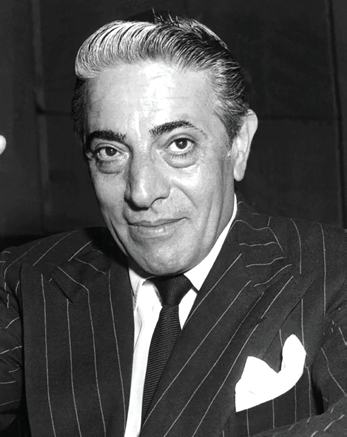
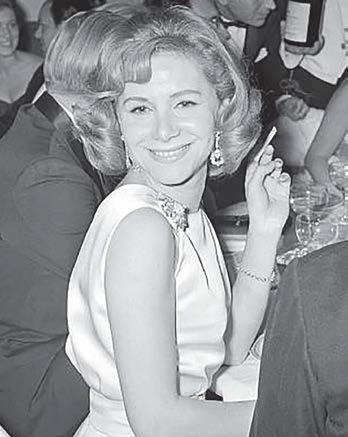
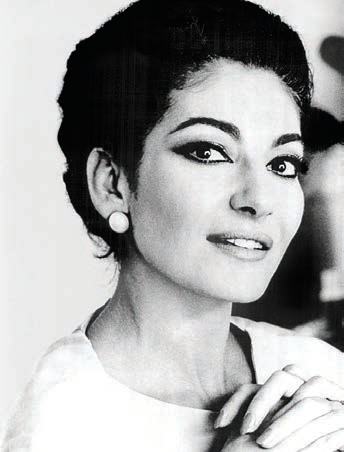
By the early 1960s; Aristotle Onassis had begun an affair with world famous opera singer, the Greek-but-Brooklyn born, Maria Callas. When Tina Onassis found out, she immediately divorced the tycoon and later embarked on two more marriages; the last one being to another titanic Greek Shipping tycoon who also happened to be her late sister’s husband, Stavros Niarchos. The divorce devastated Christina and her brother, yet they quickly warmed to Maria Callas. They often said that their father was never happier than with the diva. The foursome traveled the world on Ari’s yacht, named after his youngest child. People would sell their first born to receive an invitation to sail aboard the Christina and in the fall of 1963 that much-coveted invitation was extended to the most famous woman on the planet.
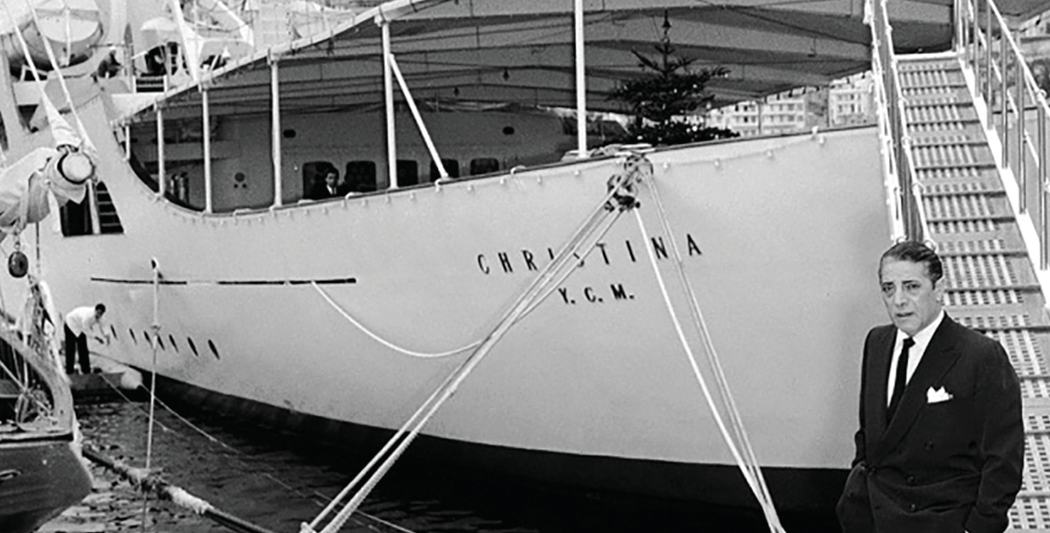
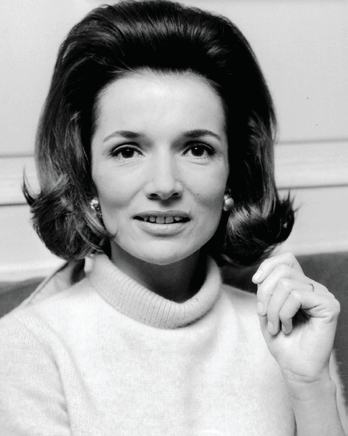
In late summer of 1963; following the heartbreaking death of her son Patrick, who lived only days, Jacqueline Kennedy was reportedly suicidal. Her younger sister Lee Radziwill, an already well-established member of the international jet-set, suggested the First Lady join her sailing aboard the Christina to lift her spirits. While Lee believed Aristotle Onassis was interested in her, the Greek tycoon was mesmerized by Jackie. Following the tragic death of JFK only a few months later, it would be Ari who would arrive first at the White House to dry the tears of the grieving widow.
Several years later Jackie Kennedy and Aristotle Onassis married, much to the horror of the world and the Onassis children.
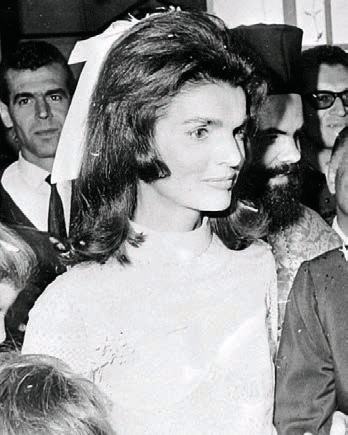
Maria Callas was devastated too, since she believed that she would be the second Mrs. Onassis. The Kennedy family, along with most of the world press, was less than amused by the nuptials as well. Unlike Maria Callas; the Onassis children mistrusted the former First Lady and looked upon her as a greedy, fortune-seeking black widow.
Almost immediately from the arrival of Jackie Kennedy into the House of Onassis, things started to go awry very quickly. The couple had little in common and argued constantly. By the early 1970s, they were leading separate lives. Ari remained in Greece and Jackie was living in New York. Ari rekindled his relationship with Maria Callas. But things continued to slip out of favor for the wealthiest man in the world. He lost his controlling interest in Olympic Airways and lost multimillion dollar shipping contracts to his ex-wife’s husband, his arch nemesis Stavros Niarchos. Then Aristotle Onassis lost massive hotel deals along the French Riviera. In 1973, Alexander Onassis was killed in a plane crash. The pride and joy of his parents, his death devastated the divorced couple. Tina Onassis Niarchos committed suicide several months later and Aristotle Onassis perished in early 1975. Maria Callas died in 1977 from what many considered to be a broken heart. Christina Onassis had lost her entire family in less than a year and a half. She spent the rest of her short and unhappy life blaming Jackie Kennedy for bringing the Kennedy Curse upon her late father’s great house.
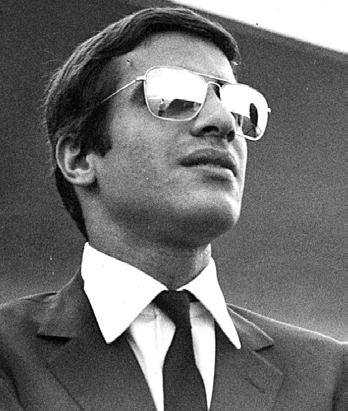
Shortly after Alexander’s untimely death, Ari sent his daughter to New York to learn the family businesses. She excelled tremendously and ran them successfully for several years. Eventually she grew tired of the daily responsibilities. By this time, Christina was in the press constantly. Her yo-yo dieting, prescription drug use, marriages and party girl reputation were starting to take their toll. She could be the most beautiful woman in the room commented a Buenos Aires socialite and months later be mistaken for a bag lady. Her fourth marriage would produce her daughter Athenia but like the rest, the marriage was fractured from the get go. She remained friends with Thierry Roussel after their highly publicized split and were often seen together with their daughter. After years of crash diets, suicide attempts and prescription drug addiction; Christina Onassis died of a heart attack in 1988 while visiting friends in Argentina. She was only 37.
Today her daughter Athena is one of the wealthiest and most beautiful women in the world. She is an accomplished and awarded equestrian. She divorced in 2016 and divides her time between South American and Europe. She has no ties to Greece and does not speak the language. She once said that if she could burn the Onassis name, she would. She is seldom seen in public and keeps a very low profile.
In the end, Christina Onassis was probably spot on about the Kennedy Curse. By the time Jackie Kennedy arrived in 1968, the so-called curse had taken countless lives and created much scandal. Even the adored and iconic First Lady would die at only 64. She would be followed in death by her son John, his wife Carolyn and his sister in-law Lauren who all perished in a plane crash in 1999. We will perhaps never in our lifetime bear witness again to a collision course involving some of the most famous people in the world. The ultimate Greek Tragedy.
Crimes Against High Society®
The Plastic Surgeon and the Dead Texas Socialite
The other afternoon I found myself in a cafe in south Texas having lunch. A group of older but well-preserved equestrian women walked in at the same time as I did and we struck up a conversation. They had flown in from Houston for a horse show in Brownsville. Guessing from their age, I quickly popped the burning question: “Did you ride with Joan Robinson Hill?” From that point on we were engaged for the next two hours.
Joan Robinson Hill was the only child of Rhea and Ash Robinson, one of the richest oil families in the great state of Texas. Her days began before dawn with cigarettes before coffee, the horse show circuit and unfathomable amounts of charity work. All this was done in her trademark platinum blonde ponytail and fire engine red lipstick. She was adored by Houston society and is also one of the most respected and awarded equestrians in the United States. In the winter of 1969 she would become one of the most famous women in all of Texas.
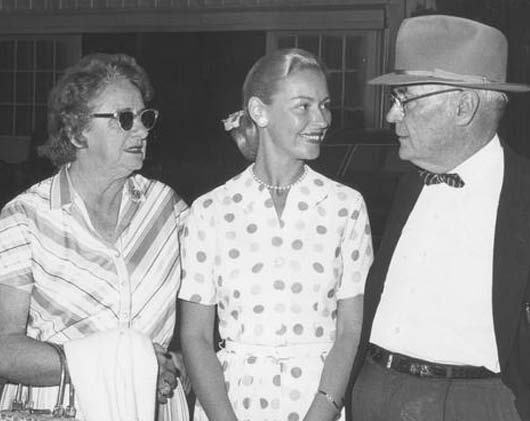
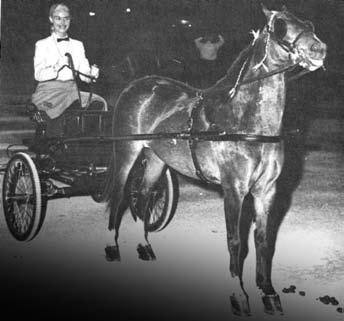
Her third marriage was to a handsome plastic surgeon, John Hill, in early 1958, and the couple had one child. They settled into an enormous mansion in River Oaks, the most exclusive residential section of Houston. The home was just one of the many gifts from the Robinsons showered on the beautiful couple. But the mansion had a long and dark history. A suicide, a high-profile divorce and several long-suffering deaths had all taken place on the grand estate. And the home sat on the market untouched for many years. However, the Hills were more than happy with the wedding gift. It quickly became a showplace for all of Houston, and they entertained there constantly.

From the start their marriage, largely funded by Joan’s parents, had been rocky and reckless. Joan preferred horses and the charity ball circuit. John preferred to listen to complex music and attend recitals. They shared little in common. By 1969 Dr. Hill took a mistress, another Houston socialite, sapphire-eyed and raven-haired Ann Kurth. A divorce seemed imminent. However, Joan’s father, Ash Robinson, cautioned his son-in-law that if he divorced Joan he would not only lose his Cadillacs and the medical practice Ash had helped to fund, but also John’s just-finished palatial music room in the couple’s impressive Georgian mansion.
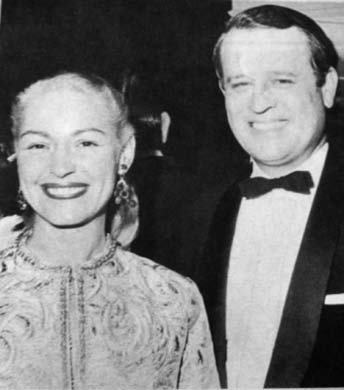
Then suddenly and mysteriously Joan Hill became ill. John seemed unfazed by his wife’s sickness and the concerns expressed by their weekend houseguests. Days later, the Hills’ maid and the Robinsons demanded that an ambulance be called. John, refusing their plea, slowly drove his wife by Cadillac to an out-of-the-way general hospital, passing the state-of-the-art Texas Medical Center only miles from their home. It was there that Joan would die an agonizing and horrific death the next morning. Houseguests from that weekend would later tell Ash Robinson that John had repeatedly fed Joan and them a series of French pastries, insisting that Joan could not exchange or share her treats with their guests.
Joan’s funeral was attended by more than 1,000 mourners. Noted Houston Chronicle society columnist Maxine Messenger would comment that there was not a single flower left in the city of Houston after Joan Hill’s funeral.
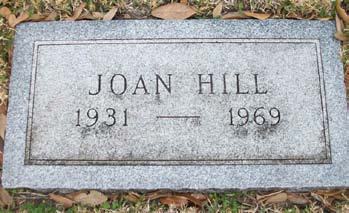
Ash Robinson wasted no time getting the district attorney to indict his son-in-law. But John Hill had immediately had Joan’s body embalmed, washing crucial evidence of her death into the sewers of Houston. He also wasted no time marrying Ann Kurth.
In 1971 Dr. Hill was tried for murder by omission in the death of his wife for failing to give Joan much-needed medical attention. However, a mistrial was granted due largely to the theatrics and media circus the case created. Ann Kurth was by then in the process of divorcing John Hill. She claimed on the witness stand that he had tried to kill her as well and that while they were dating, Dr. Hill was obsessed with a strange bacteria he was concocting in a petri dish.
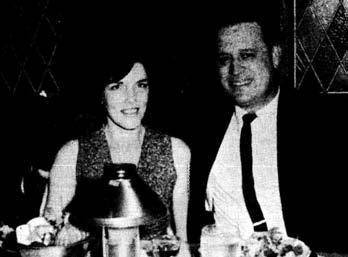
But things didn’t stop there. Returning from a medical convention with his third wife, Connie Hill, in 1972, John Hill was shot and bludgeoned to death in the marble foyer of his mansion while his mother and son, hog-tied, watched in horror under the dim shadows of sparkling crystal chandeliers.
Though two women would be tried in a murder-for-hire case, both implicating Ash Robinson for the deed, the crusty oil man was never brought to trial. The alleged hit man was shot by police for resisting arrest before he could be tried.
In 1977 the Hills’ only child, Robert, who had severed all ties with his wealthy grandparents, filed a civil suit against Ash Robinson together with his grandmother, Myra Hill, and second stepmother, Connie, for the wrongful death of John Hill. It was almost immediately thrown out of court.
Connie Hill would continue to live in the River Oaks Mansion for the next two decades with her stepson. They would open the home many times for music performances and parties in the home’s heart-stopping music room. She would eventually sell the mansion when Robert left to pursue a law career on the East Coast. Connie Hill would marry again and move to Denver where she remains active in the arts even today. Yet the next occupants of the stately home would both perish within months of one another in the house, returning the much-photographed estate to its haunted mansion status.
Two bestselling books were written regarding the case. First there was “Prescription Murder” by Ann Kurth. But she was unable to cope with her new-found celebrity, and Houston society turned its back on her as well. She and her sons went into seclusion on a private lake outside of Austin and disappeared forever. She died of an aneurism in 1990. Thomas Thompson’s meticulously written and award-winning international bestseller, “Blood and Money,” would follow. The book would remain on the bestseller list for over two years.
In 1981 a made-for-television film, “Murder in Texas,” was made. It starred Farrah Fawcett as Joan Hill with Katharine Ross as Ann Kurth, Sam Elliott as John Hill and Andy Griffith as Ash Robinson. The two-part movie remains one of the most successful made-for-television films to date.
In the end Ash Robinson’s money brought him nothing but unhappiness. He and his wife, Rhea, spent the rest of their lives exiled in Florida, estranged from their only grandchild, their high-society friends and the state they had helped build into an empire. They had all the money in the world, yet it could never purchase the one thing they desired most – their beloved Joan.
Crimes Against High Society®
Oyster Bay New York was on the right side of Long Island. People who lived on the north shore had sail boats. People who lived on the South Shore drove motor boats. You get the picture? Up until that Indian summer of 1955, most people who read the news really didn’t even know the waspy estate enclave existed. That was until wealthy socialite Ann Woodward put several shot gun blasts into her husband’s chest. The rest they say is hushed high society history. But not exactly.

Ann Woodward was not as she appeared. She was from very humble Mid-West beginnings. Her original name was Angeline Crowell. She bought a bus ticket to New York, changed her name to Ann Eden and became a Powers Model in no time; due to her amazing looks. By the early 1950s, she found herself splashed across the front pages of Café Society publications. She had quickly become a stage and radio actress and a showgirl in the most elite clubs in Manhattan. It was there that she caught the eye of one William Woodward of the Hanover National Bank fortune. It’s been said the two immediately began an affair and when it was over, William Sr. passed Ann to his unsuspecting and virginal son Billy. William Woodward Jr. was tall, extremely handsome and charming. He was considered the most eligible bachelor in the world, after the war, if not the richest. But he, like his future wife, had plenty of skeletons in the closet too.
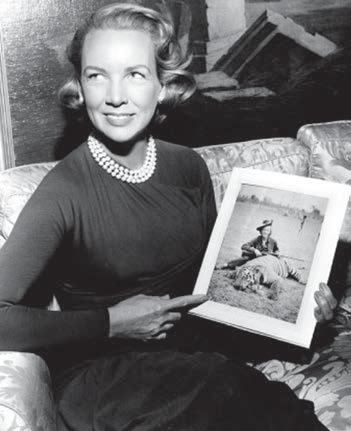
The two married and quickly became the toast of New York. They had two sons and purchased a magnificent estate on the North Shore of Long Island. Everyone adored them. Everyone but Billy’s mother Elsie, who took an instant dislike to Ann. But there was trouble in paradise from the inception of their union. Billy often enjoyed the company of both women and men, something Ann was well aware of. The couple chain-smoked, drank heavily and toward the end of the marriage quarreled in public, even at some of the most opulent parties in the world. Ann began to abuse prescription drugs and they totally ignored their children.
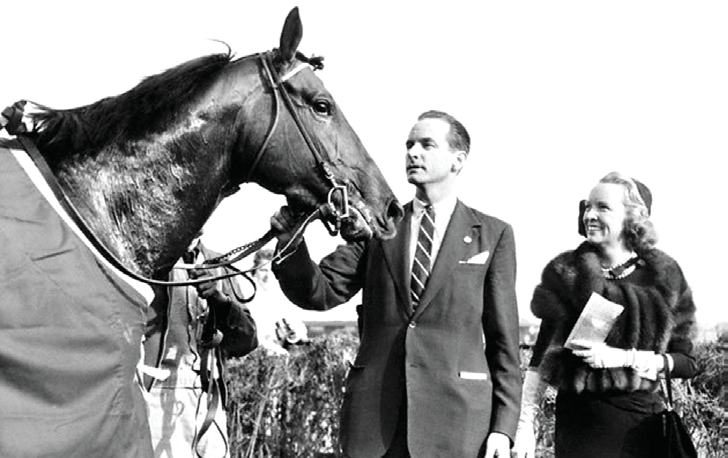
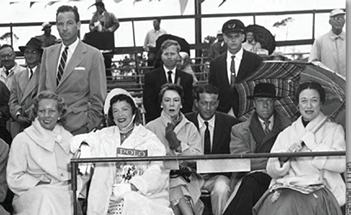
By the fall of 1955, the couple; both well skilled in shooting; began to sleep with loaded shot guns. A prowler had canvased Oyster Bay and like their neighbors, the Woodward’s were on edge. Returning from a party for the Duke and Duchess of Windsor, where they fought and Ann spoke of nothing but the Oyster Bay Prowler, the couple continued to drink and smoke; eventually retiring to their now separate bedrooms. Around 2 am, Ann was awakened by a noise on the roof. Grabbing her shot gun, she saw a shadowy figure down the hall. She shot several times killing her husband instantly. Several hours later the police did indeed apprehend a prowler. However the man said he’d fled the estate’s grounds when he heard gun shots.
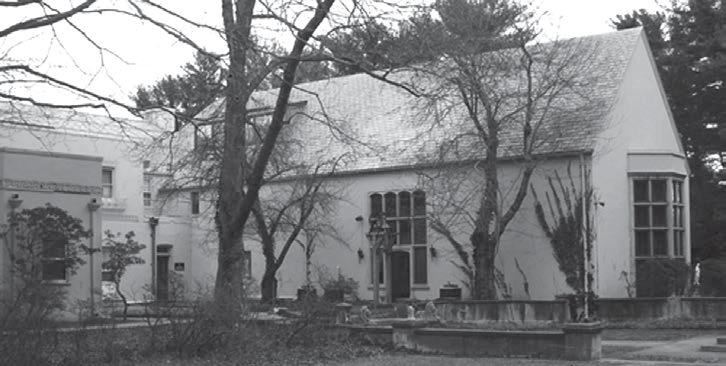
A grand jury would eventually find Ann Woodward not guilty of her husband’s murder. The prowler also changed his story and said he was indeed trying to break into the Woodward estate that fateful night ... Many in Café Society believed Elsie Woodward convinced of Ann’s intention, paid off everyone from the police to the prowler to exonerate her daughter-in-law and avoid further family sandal.
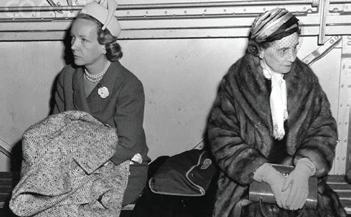
Ann Woodward would spend the rest of her life in a bizarre and almost nomadic existence. Her sons were sent to Swiss boarding schools. She lived in Europe for a while cavorting with much younger men and was often very drunk in public. Eventually she returned to New York, where she was basically held hostage by her mother-in-law, having been abandoned by her high society friends.
Most had forgotten about Ann Woodward until 1975 when Truman Capote, her arch enemy, released an scathing excerpt from his not yet finished novel Answered Prayers in Esquire Magazine. The next day Ann committed suicide. But things didn’t stop there. Several years later both of her Harvard educated sons took their lives as well. Sadly, Elsie Woodward, the family matriarch who had done so much damage control decades earlier, would be the last man standing. In recent years, much speculation has arisen regarding Elsie Woodward. Much internet discussion has centered around what many now claim was her questionable upbringing. Was she really the person she claimed to be and from all that old money or was she herself a total fraud, just like her daughter-in-law. The world may never know.
Social Crimes
and the Roaring 80’s Divorce of the Century
Since all things-Covid began in early 2020, many have not paid attention to anything else. However, if you happened to be rich and famous you could not help but notice the death of former Texas and New York socialite Anne Bass. She died of ovarian cancer in April of last year at the age of 78. The former Mrs. Bass had stayed largely out of the limelight for the last several decades. Instead, she quietly retired to a sprawling farm in South Kent, Connecticut. But there is far more to this story then the passing of a once iconic socialite.
Sid Bass made his vast oil fortune after being given his father’s company Bass Brothers which had been founded in the 1930s. The company controlled more than 100 oil fields. By the time the Yale and Stanford educated Sid took over from his father in 1968, Perry Bass’s heir apparent was close to making his father’s company a billion-dollar operation. He had married Anne Hendricks, a well-bred, Vassar educated clothing buyer and fashion editor several years prior. The couple quickly had two daughters and built their home in the family dynasty of Ft. Worth after making brief stops in Palo Alto and Dallas. It was in Ft. Worth in 1970 that they would move into the sprawling space-age Paul Rudolph designed mansion. The home would become perhaps one of the most dazzling post-war modern homes of the 20th century. It was often photographed by architects and home magazines alike. They truly showcased themselves to the world as the dream couple of the 1970s and 80s. But by 1986 there seemed to be water in the oil.

Sid Bass was a second-generation Texan. He was kind to everyone, affable and very easy going. By the late 1970s, he was becoming increasingly uncomfortable with his wife’s high-profile reputation in Ft. Worth as well as New York; where Anne had made an even bigger presence. Sid was a man who did not even like wearing tuxedos much less attending charity balls. He was simple and down to earth, but he liked forceful women. He often told friends that he was disappointed that his family wealth had gone to his wife’s head. He preferred to remain in Ft. Worth, while Anne spent most of her time in New York.
Anne Bass did not exactly have the best reputation in the social world. Though she was clearly at the top of the social heap, having opulent homes in Ft. Worth and Manhattan and more money than God, she had her share of detractors. Since she was clearly the richest socialite in both cities where she resided, she seldom took no for an answer. She was obsessed with the ballet in both Ft. Worth and New York. She spent time collecting fine works of art from the likes of Degas, Rothko, Picasso, and Calder. Her playground bully tactics earned her a very bad reputation. Anne could dismiss anyone with her steely pale blue eyes. She smoked almost 3 packs of cigarettes a day and was noted for the two plastic combs she wore on a constant basis in her blonde blunt-cut mane. Anne was quiet, unapproachable, and referred to by others in the social swim as “The Ice Queen.” Many have said she was not well-liked.
Enter Mercedes Kellogg. She was not particularly attractive but her put-together polished appearance, quick wit and style made her the go-to guest at the most rarefied dinner parties in New York. She was married to Francis Kellogg. They had met in the early 1970s in Switzerland, while she was an assistant to the UN in Lausanne, and married in Geneva. They seemed very happy and Mr. Kellogg adored his witty and vivacious wife, but she wanted more and sensed that there was a better life for her once they settled in New York in the roaring 1980s.
Mercedes saw the trappings of her new Fifth Avenue life early on. While she had a nice and comfortable life with the ambassador, she often told friends “I want to be rich.” After several brief encounters at Manhattan charity balls, Mercedes finally hooked her Bass. While the two flirted at the second party in the Hamptons, Mercedes lobbed a dinner roll at Sid’s head. He quickly scrolled her telephone number and thus began a clandestine affair. They thought they were safe at countless rendezvouses in New York and Paris until they were spotted at the Plaza Athenee. Then all hell broke loose! Up until that time, many in the rarefied circle said wives were safe. You never considered an affair with another man’s wife; you had a mistress. The affair shook the social world to its core and changed the way they had once moved.
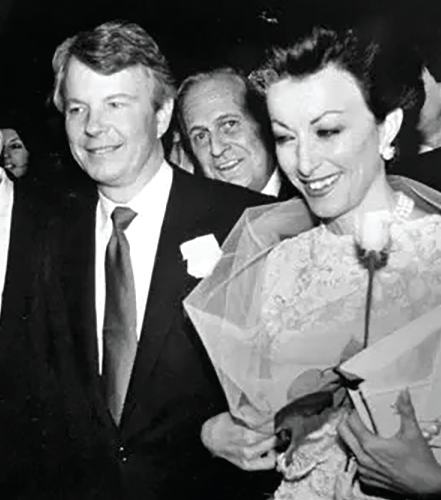
Anne Bass went for the jugular. She was awarded more than 200 million dollars. It stands as the highest settlement ever awarded in the state of Texas. She retained her futuristic home in Ft. Worth and her Park Avenue apartment. But she was quickly overshadowed by the new Mr. and Mrs. Bass. Most had sided with Sid since he had the money. However, there were some in the Anne camp too. John Fairchild, the publisher of Women’s Wear Daily, refused to address Mercedes Kellogg as Mercedes Bass even after the couple had been married for some time. Spy Magazine told readers that the only reason Sid Bass had married his second wife was because she obviously could perform weird Far East sex tricks. The Duchess of Windsor had also claimed to be able to do the same thing. The magazine adding that both women were beyond homely.
Mercedes Bass would go on to be one of the most respected socialites in New York. People adored her. Like her second husband she was approachable and kind to everyone she encountered, even the help. She hosted at least two lunches a week in the couples’ New York Penthouse and gave a small fortune to homeless charities and the ballet. She continues to be a force of nature on the charity scene.
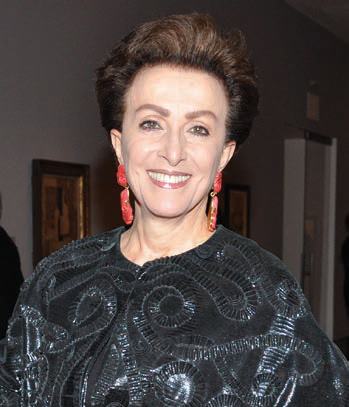
Anne Bass would eventually leave New York and settle in Connecticut with her artist boyfriend Julian Lethbridge. It was there that the couple was subjected to a horrific and unfathomable weekend. The two were held hostage by their Romanian butler and injected with saline which he claimed was poison, in order to extort millions from Mrs. Bass. He was eventually sentenced to 20 years in prison.
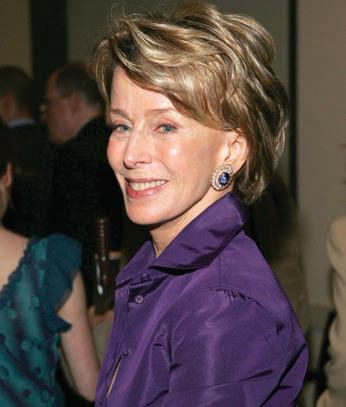
Much to the surprise of everyone in New York, Mercedes and Sid Bass quietly divorced in 2011. Sid simply told friends he no longer wanted to keep up with his second wife and that he was done going to charity events. He gave her their homes in New York, Aspen and Ft. Worth, an enormous settlement and then he disappeared.
Anne Bass passed away surrounded by her daughters and friends in April of 2020. Sid Bass was said to have paid for the lavish funeral and reception at the Ridglea Country Club in Ft. Worth. By this time, many had forgotten about Anne Bass. In her final years she had softened, and she never stopped supporting the charities she helped prop up, including The Ballet Center of Ft. Worth which survives today because of her generosity. She made her mark.
Trendy Reading
by Ginger Alden
For more than 40 years little has been known about the short but complex relationship between Elvis Presley and Ginger Alden. Though countless books have been published on the king of rock and roll, little has been written about his final days.
Enter Ginger Alden, the onetime beauty queen who falls madly in love with Elvis at first sight. She follows wife Priscilla, who maintains a fantastic relationship with her ex-husband and Linda Thompson, who found Elvis’s moods and surroundings too dark and gloomy to stay.
Graceland is a place of Disney-like perfection. The estate purchased for Gladys and Vernon Presley is a gift from their son in 1956. Gladys and a top Memphis designer turn the house into a stunning masterpiece, but Elvis’s gift backfires. The Presley’s feel isolated in the stately mansion on the hill. Their friends seldom visit, too intimidated by all the Cadillacs and crystal chandeliers. Vernon Presley works 7 days a week for Elvis Presley Enterprises, while Gladys passes her time feeding the horses and drinking herself into oblivion. She dies of cirrhosis in 1958. The Presley family doctor spares Vernon and his only child the truth and tells the two Mrs. Presley died of heart failure. Her death and the still birth of his twin Jesse, haunt Elvis for the rest of his life.
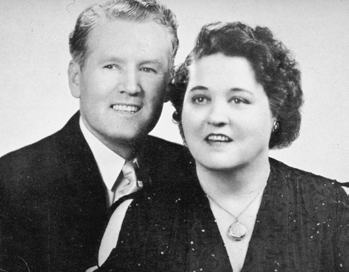
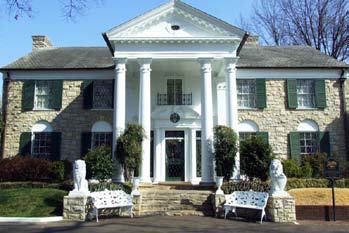
Ginger Alden is mystified by Graceland. Maids and servants arrive and depart behind the wheels of Eldorados and Continentals. Not a blade of grass goes unmowed nor a chip of paint untouched. On the ground floor the “new” Memphis Mafia pass their time playing cards and smoking cigarettes. It appears to be a happy setting. Upstairs however things are grim. Since Vernon Presley’s heart attack, father and son have quit smoking. Elvis has managed to keep his habit a secret from his fans for more than 3 decades. The results for Vernon have been successful, for his son they are disastrous! Elvis has exchanged a 2-pack-a-day habit and a rail thin frame, for platters of lasagna, vast amounts of cheese burgers and mixing bowls full of ice cream. He continues to smoke cigars and teeters on 300 pounds. By this point he lives in fear of two soon to be published tell all books. The first by former Memphis Mafia bodyguards and the second by his much detested former stepmother Dee Presley. He is drug addicted and sun deprived, choosing to seldom leave the second floor of the mansion.
This is a book everyone should read if interested in the subject of Elvis Presley. It is a tender portrayal of a young and innocent young lady unable to control the slow moving train wreck with which she has fallen in love. Ms. Alden offers few criticisms in the book. Elvis is kind and extremely generous to a fault to all who surround him, yet he too is extremely dissatisfied with the outcome of his life. We’ve waited more than 40 years for this book. Any Elvis fan will greatly enjoy it.